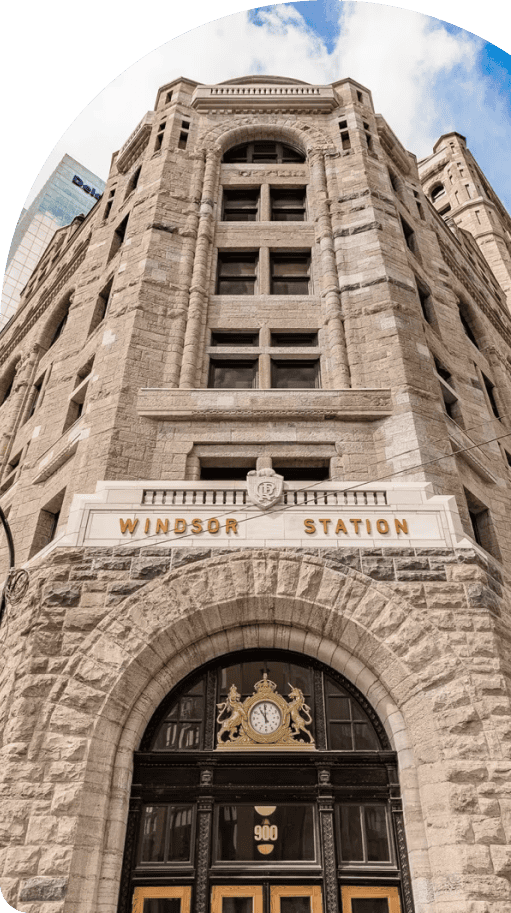
A place that shaped the city
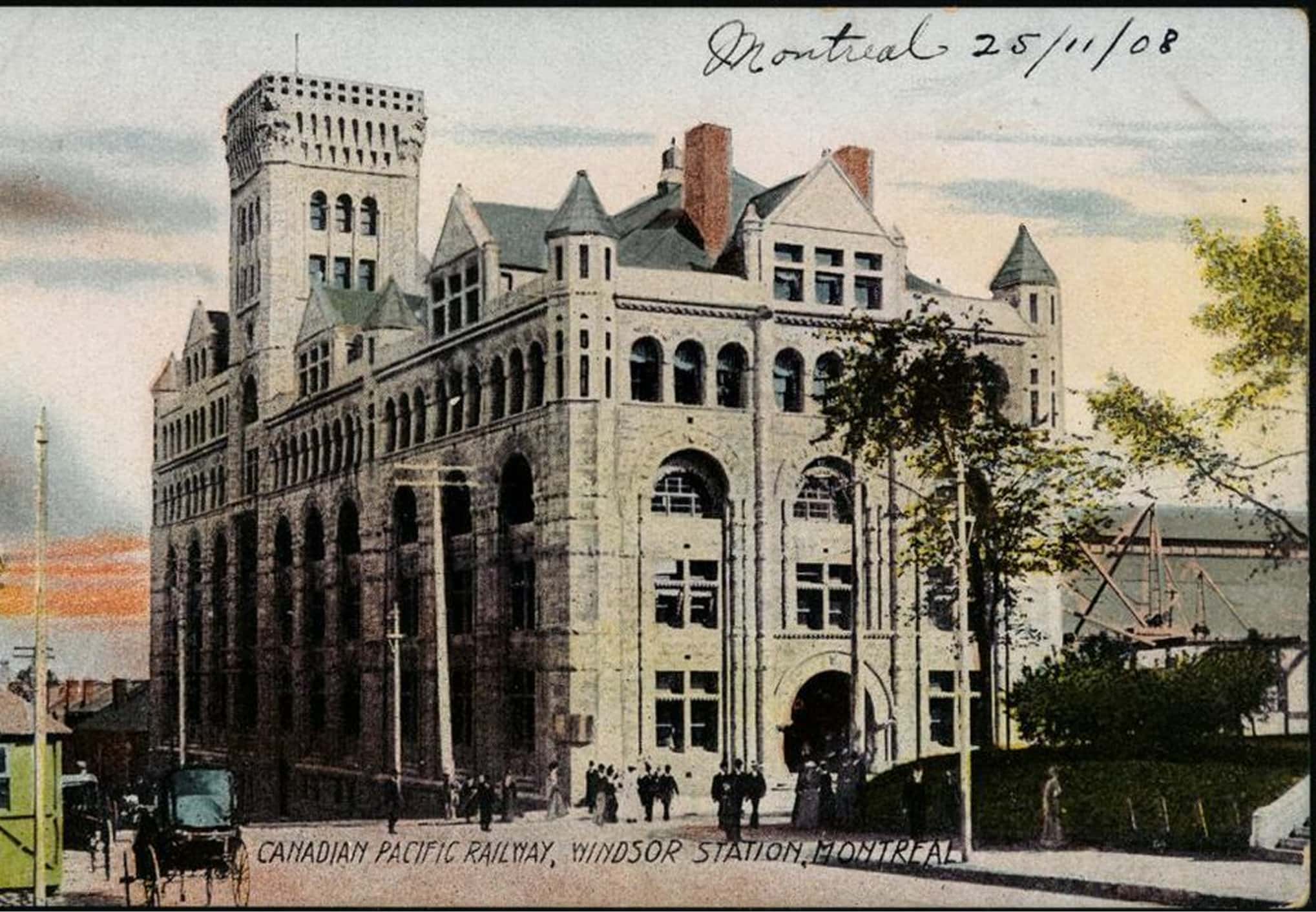
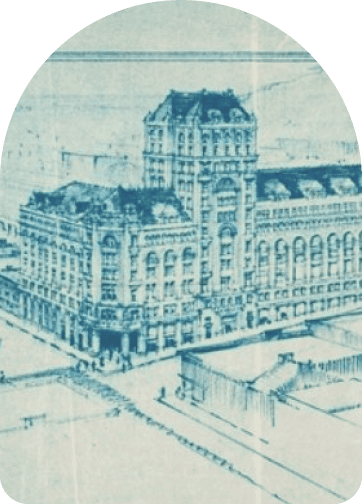
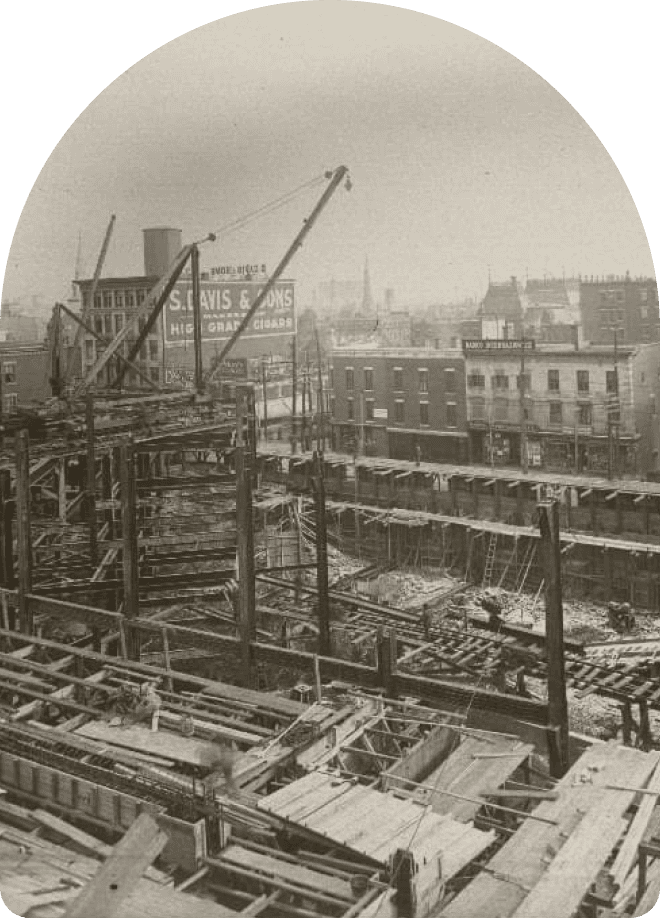
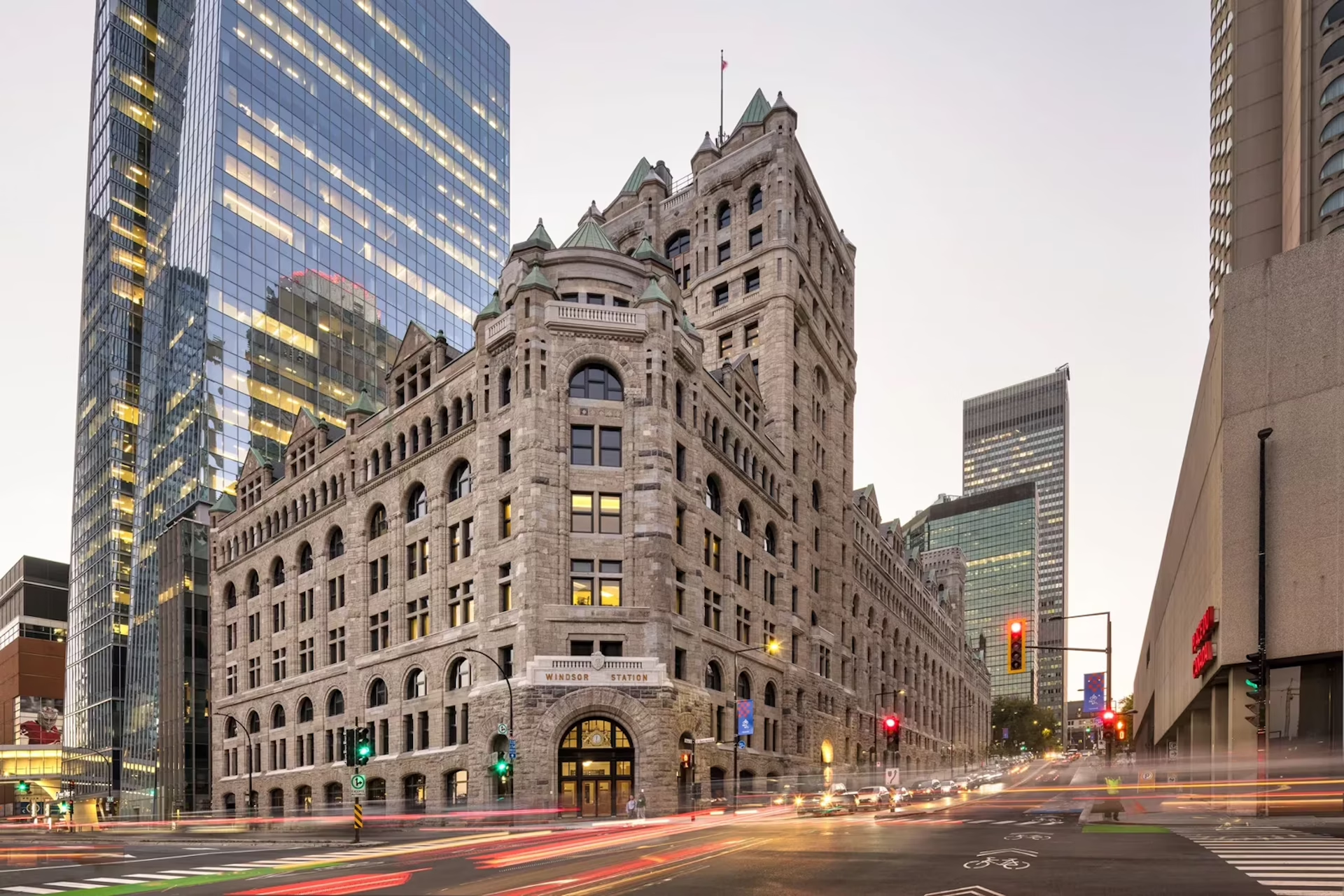
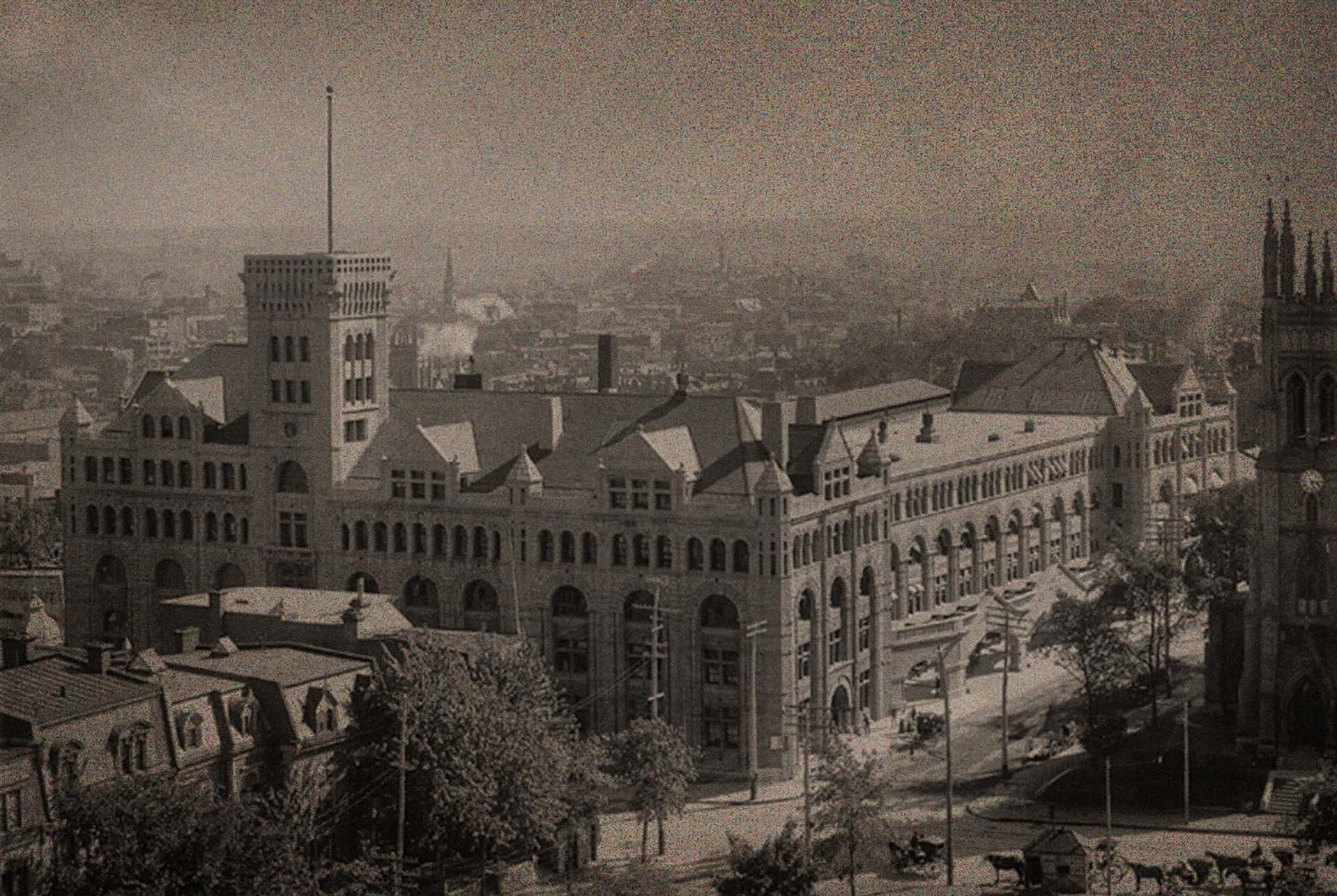
Construction of Windsor Station began in 1887, at a time when railways were central to Canada’s economic development. The project spanned several decades, with new wings gradually added until the early 20th century.
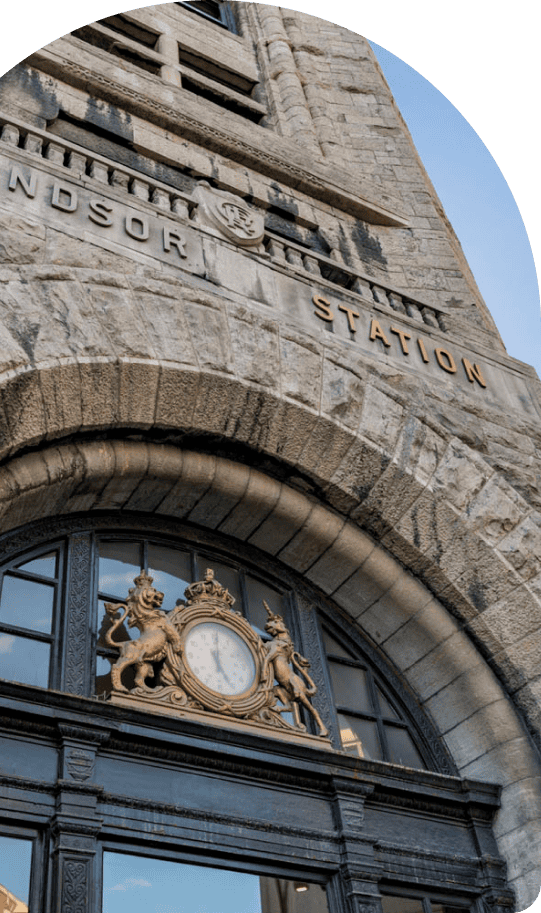
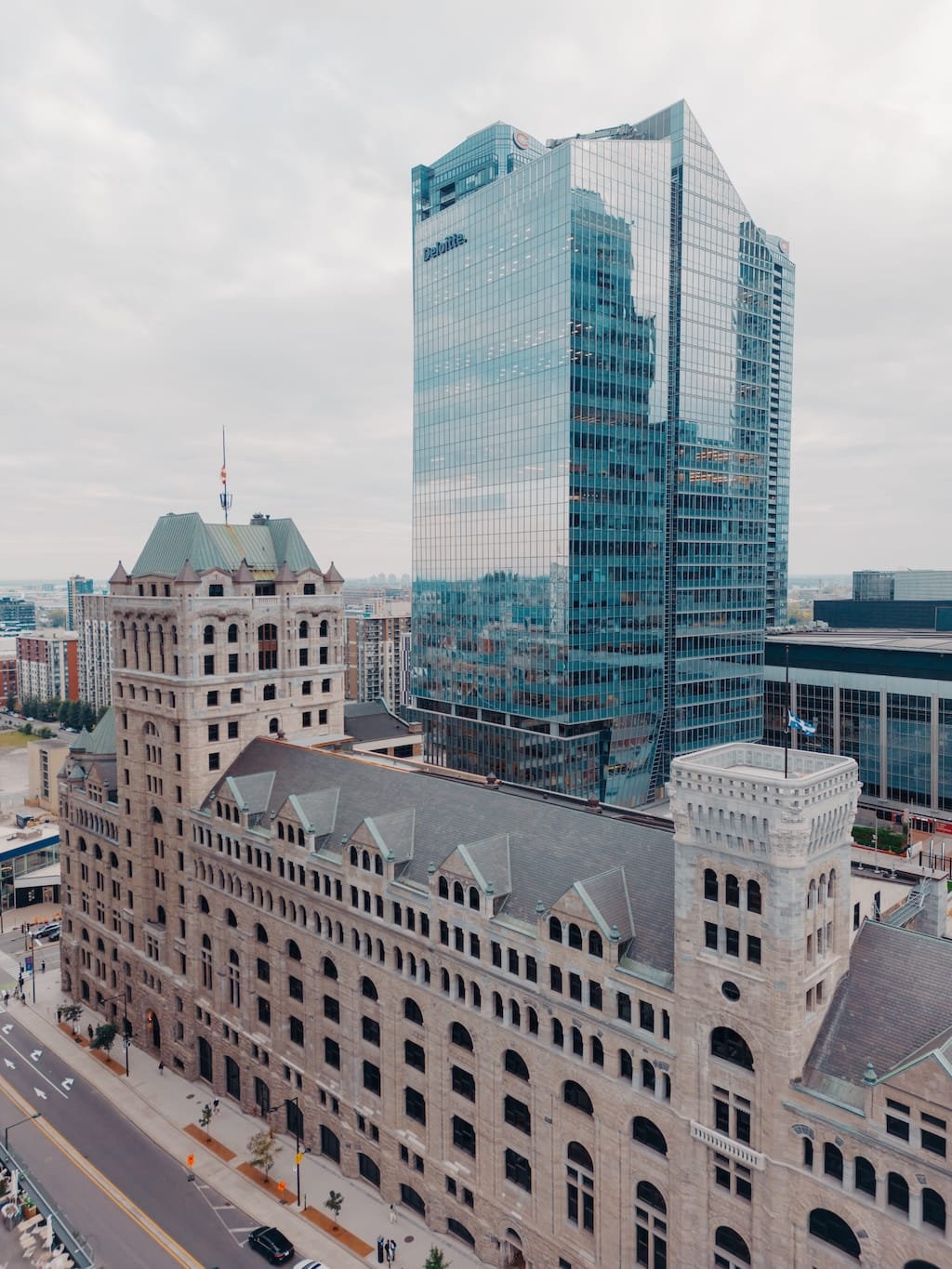
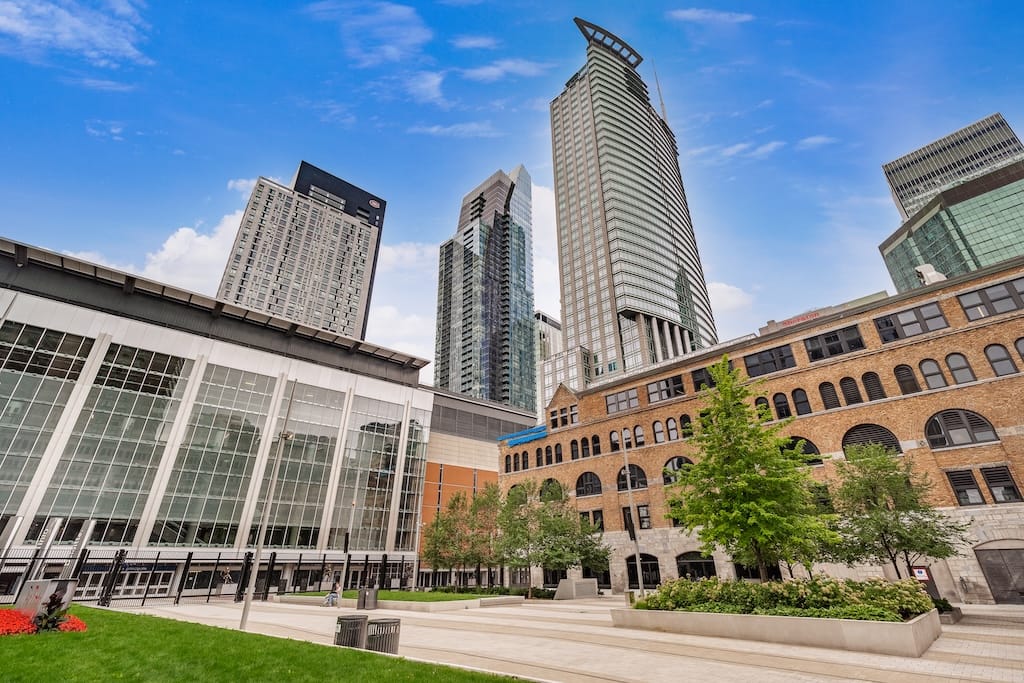
Designed by the same architects as the Château Frontenac and the Banff Springs Hotel, the station adopted the Richardsonian Romanesque style, then associated with power, stability, and modernity. From its early years, it established itself as a major building in the Montreal landscape.
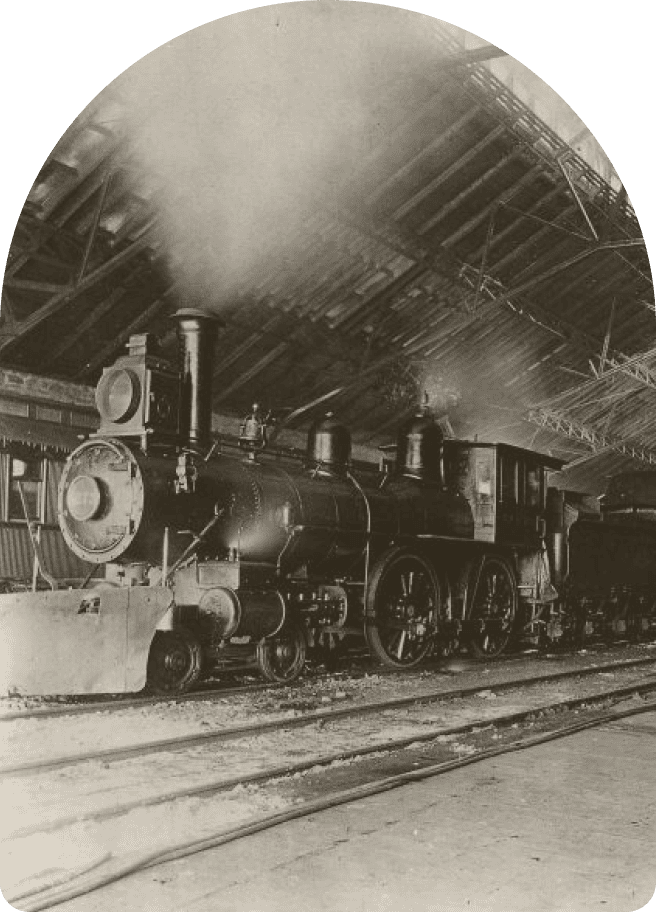
For decades, Windsor Station served as both a railway terminus and the headquarters of Canadian Pacific. Thousands of travelers passed through its doors. The station became a symbol of movement, growth, and connection.
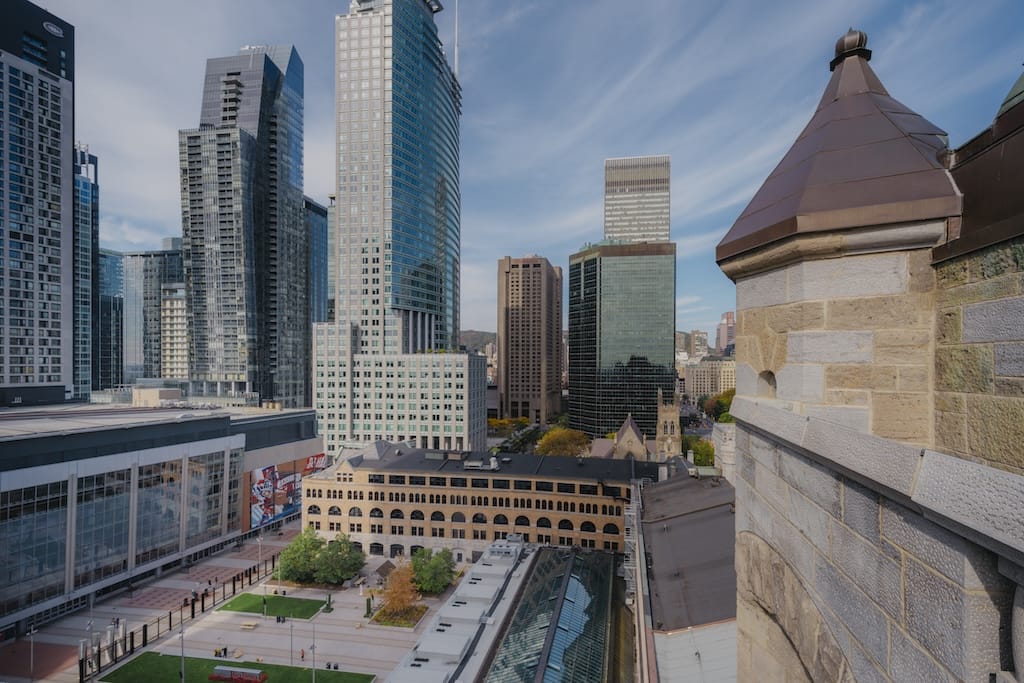
With the construction of the Bell Centre and the relocation of railway operations to Lucien-L’Allier Station, Windsor Station ceased to be a station in the strict sense of the word. The trains disappeared, but the building remained.
Rather than fading into obscurity, the station began a new phase in its history. It transformed, adapted, and welcomed new uses, while retaining its central role in the city.
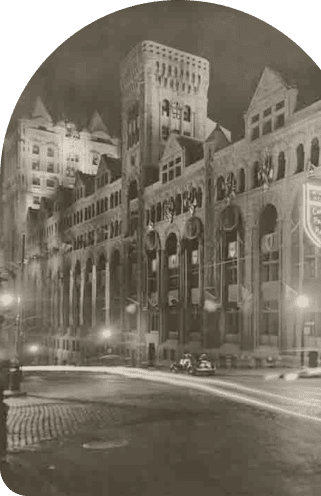
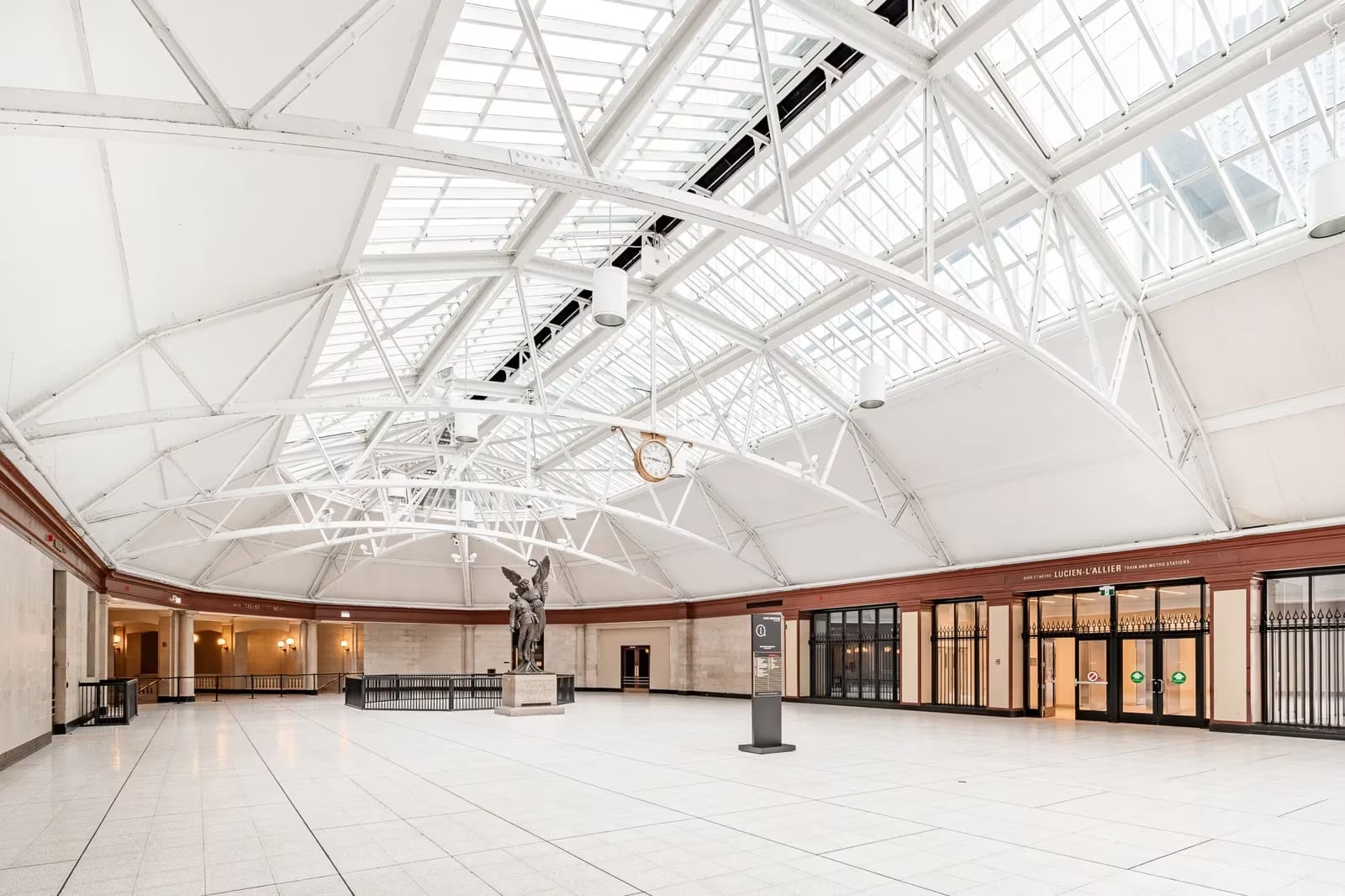
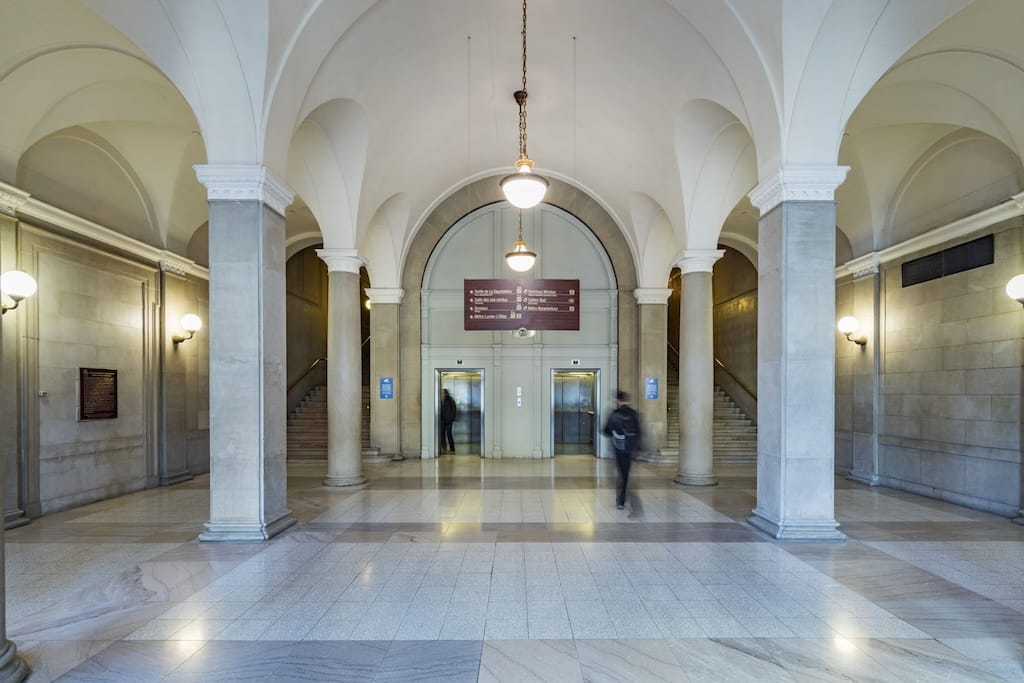
Now designated a National Historic Site of Canada, Windsor Station enjoys rigorous heritage protection. This applies in particular to the building’s exterior envelope, several iconic interior spaces, including the Salle des Pas Perdus, as well as the inner courtyard and its Bush shelters.
These preserved elements attest to the exceptional architectural quality of the site and its enduring importance in Montreal’s history.
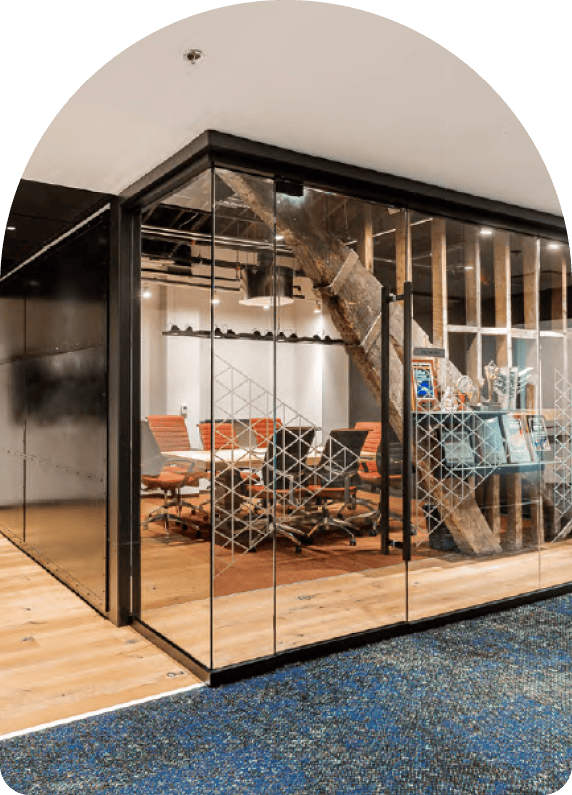
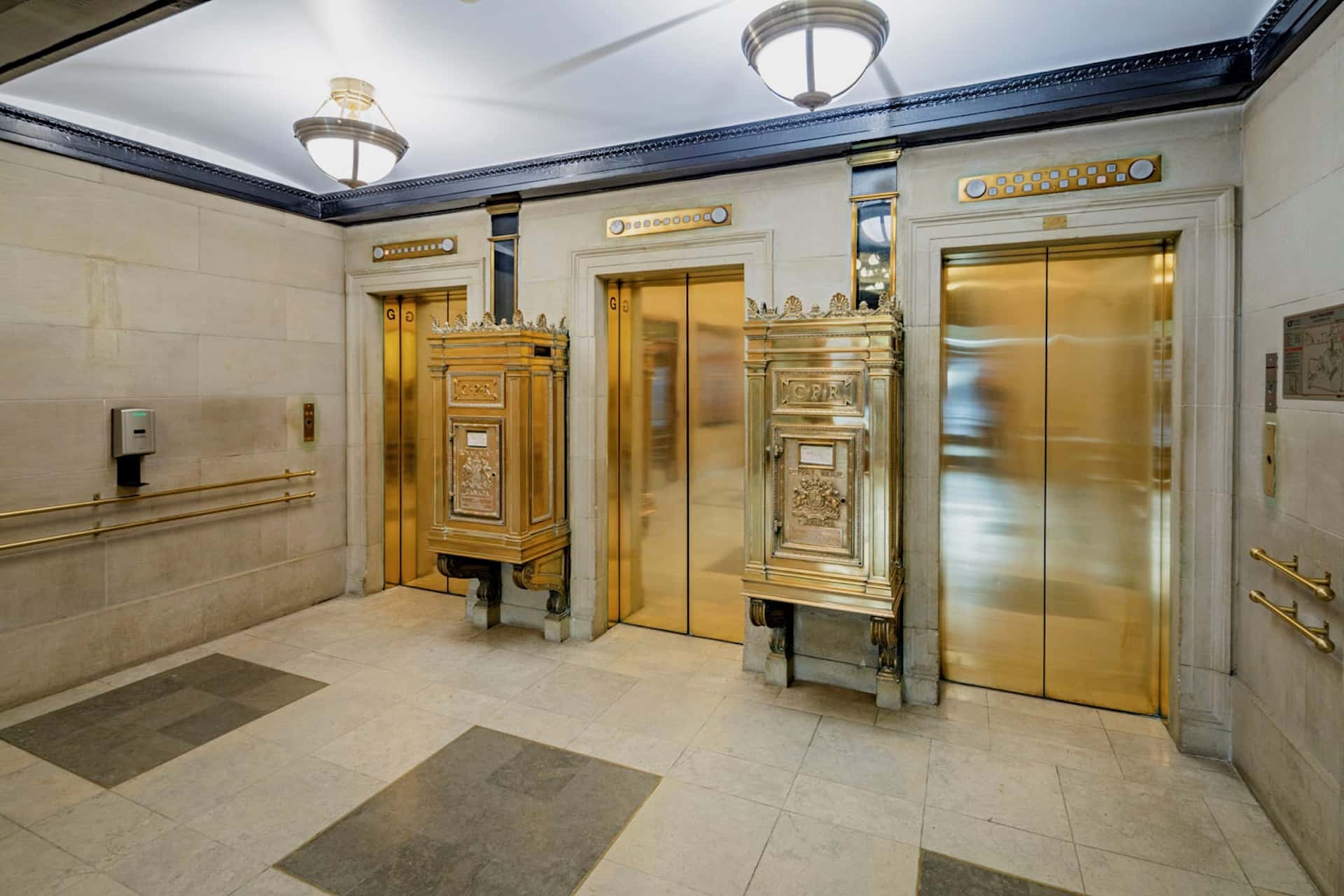
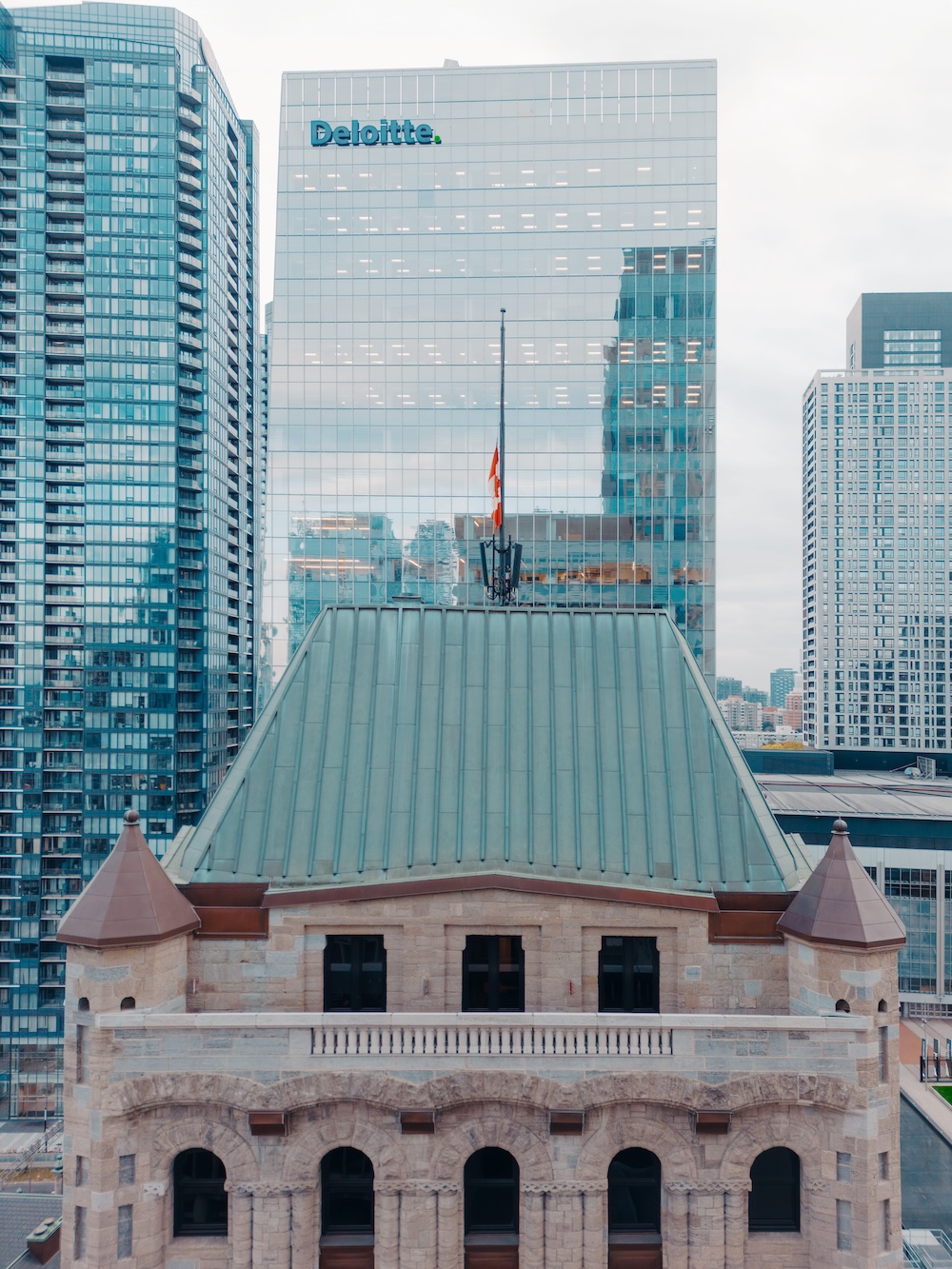
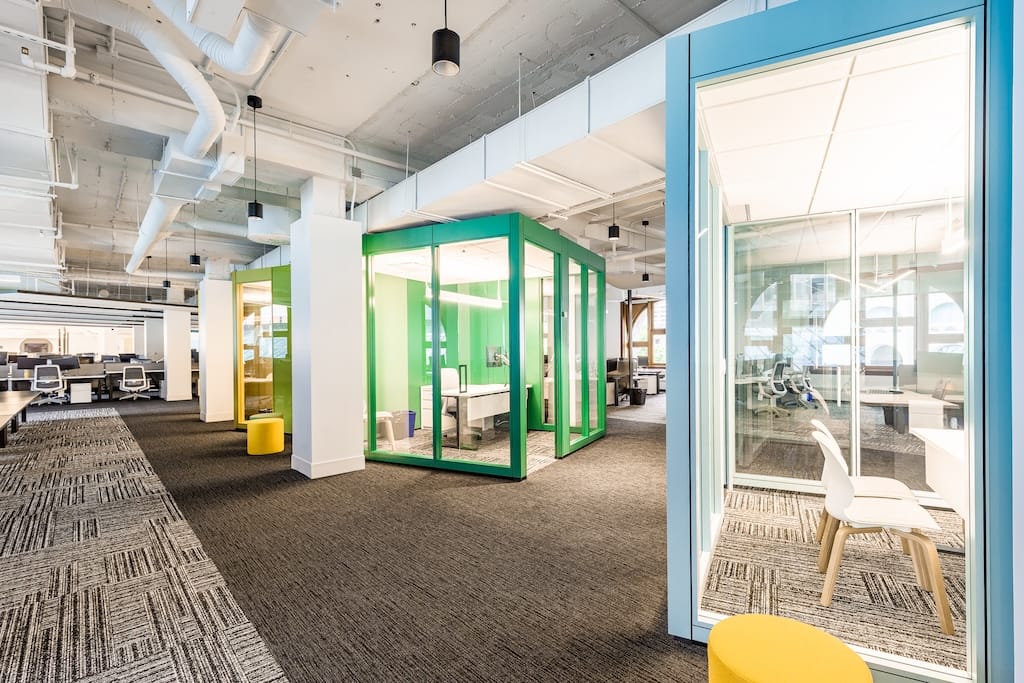
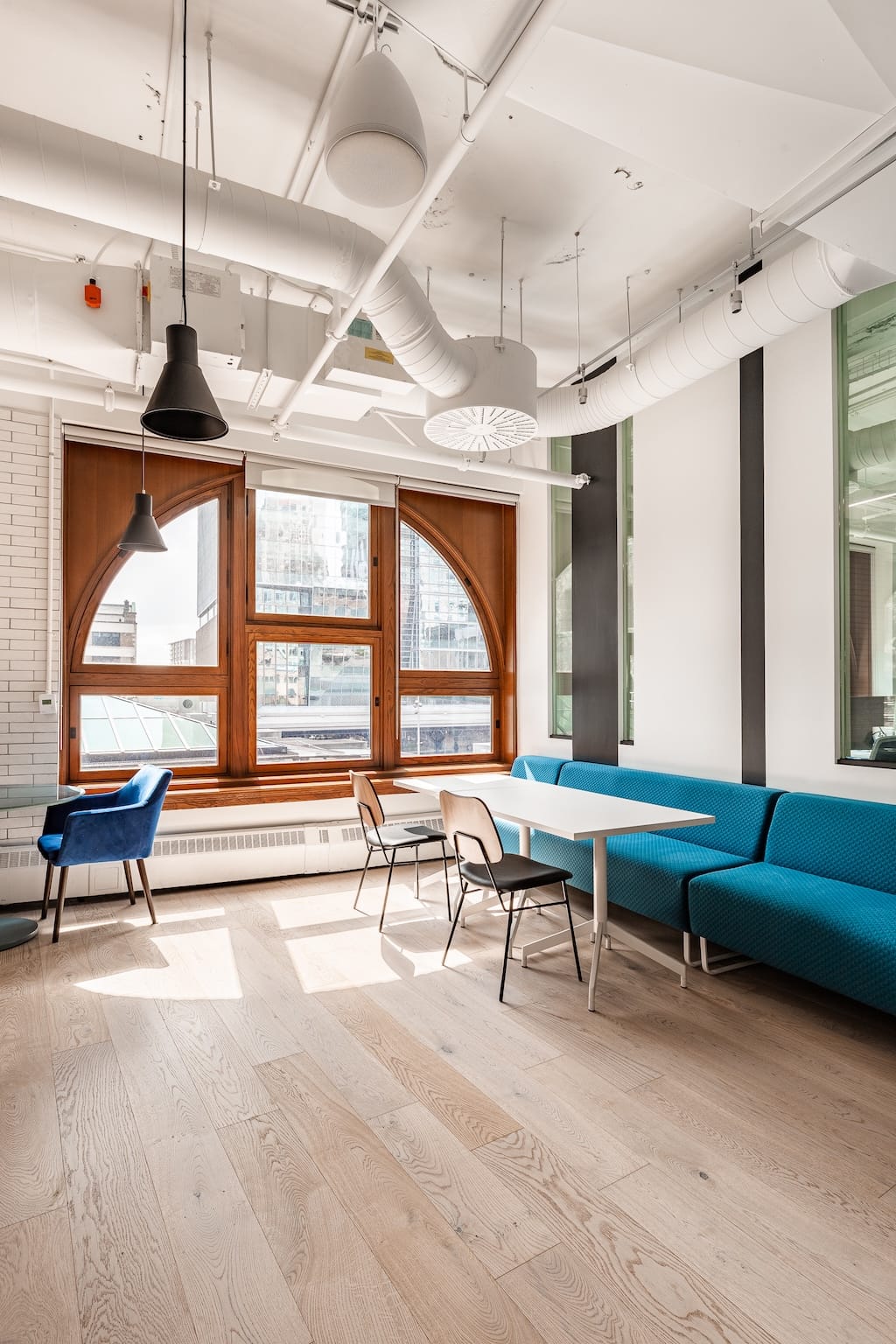
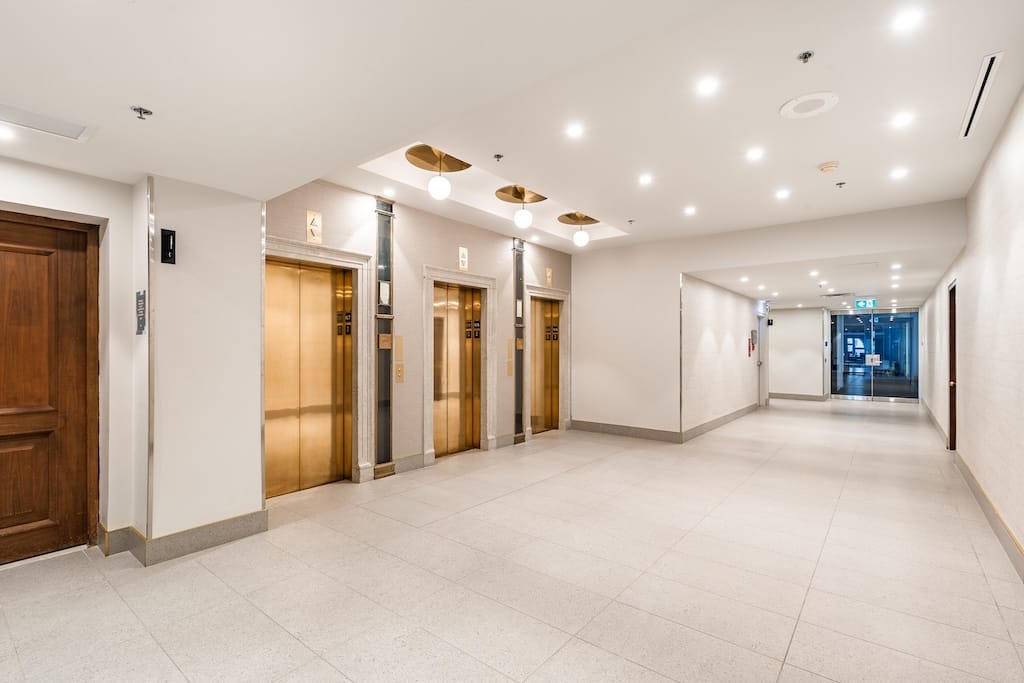
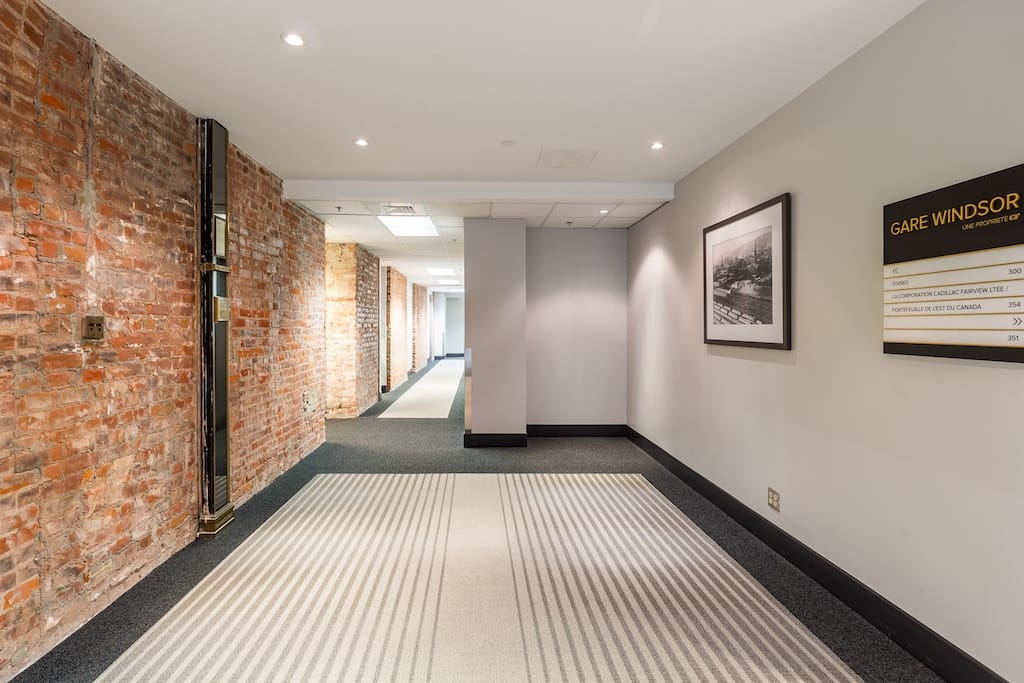
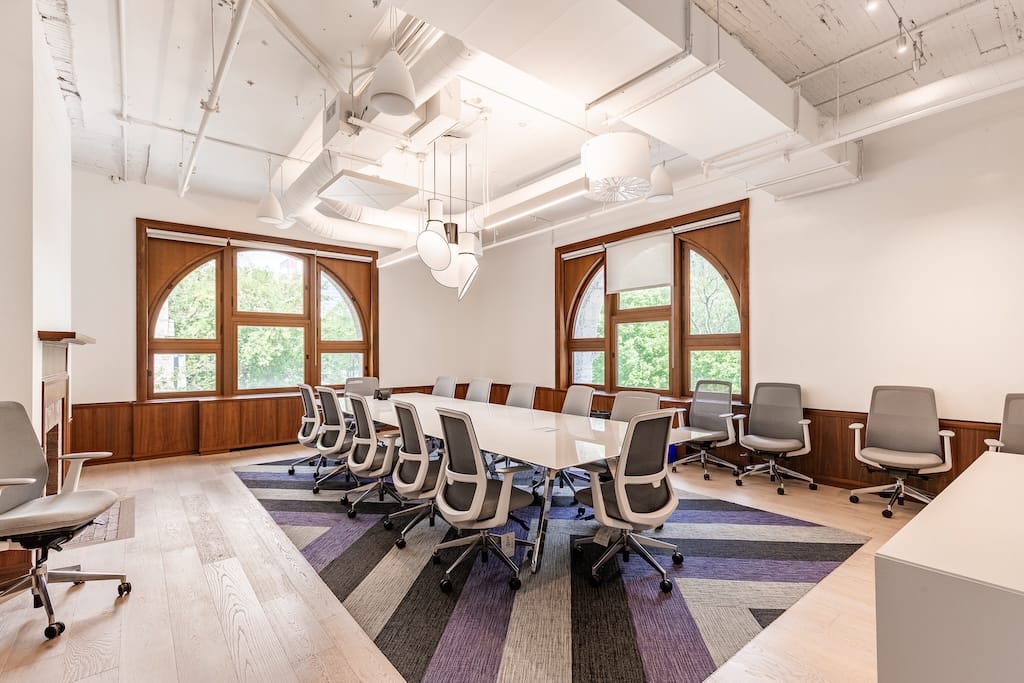
Over the years, contemporary interventions have modernized the infrastructure, improved comfort and energy performance, and responded to current needs, without ever breaking with the building’s identity.
Windsor Station is not stuck in the past. It evolves with the city, in a spirit of continuity rather than rupture.
A place still inhabited
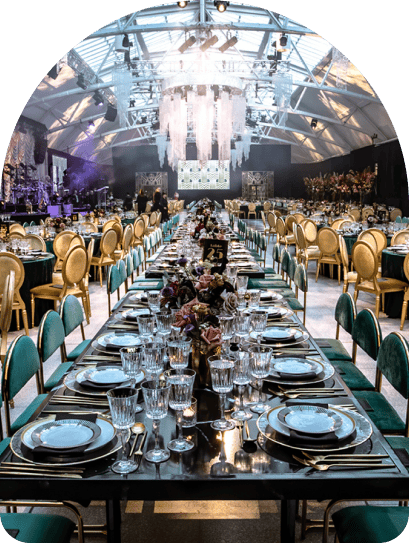
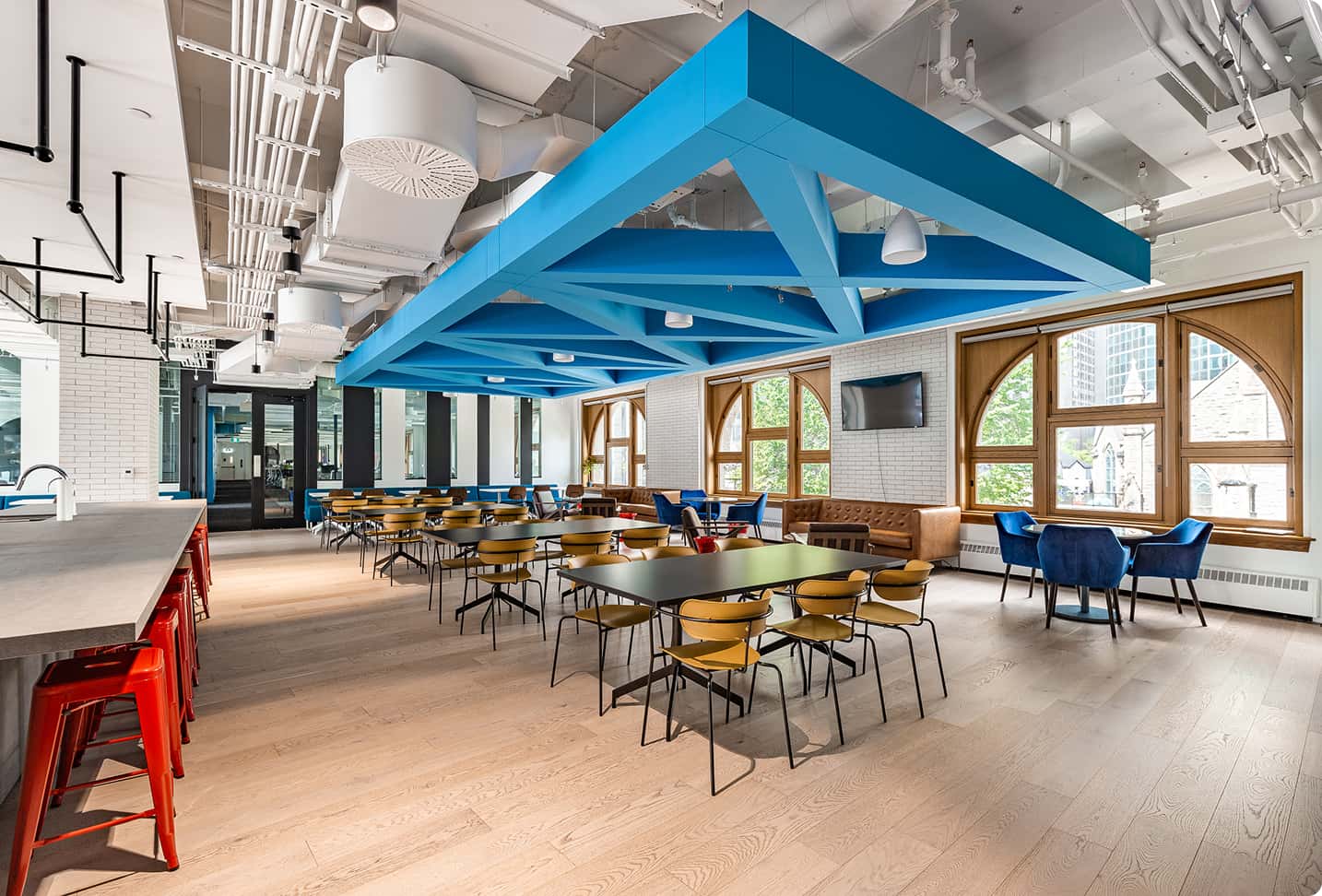
Today, Windsor Station hosts major events, businesses, shops, and long-term projects. It remains a place of passage, gathering, and impact.
It is a place that has stood the test of time. And continues to do so.